SIREN Study


Welcome to the SIREN Study Portal

The SIREN Study Portal is designed for our study participants. Here, you can find updates about the study, scientific outputs and research collaborations, and manage your ongoing study participation.

The SARS-CoV-2 Immunity and Reinfection EvaluatioN (SIREN) study is a prospective cohort study of healthcare workers in the United Kingdom, established in June 2020.

While SIREN started as a COVID-19 pandemic response study, investigating immunity following SARS-CoV-2 infection and COVID-19 vaccination, it has continued to evolve. New research questions have focused on Winter pressures and we have expanded testing to include flu and RSV alongside SARS-CoV-2. We now have a unique dataset and biobank that allows us to carry out a wide range of analyses.

At the core of the study is our dedicated cohort of healthcare workers. Thank you for your contribution to making the SIREN study possible.


Latest News

Data collection for SIREN+ Winter Pressures 2025/26 study is now complete. This new information allows us to continue to assess the impact of respiratory illness in healthcare workers over winter using data on symptoms, vaccination coverage and time off work associated with illness in our cohort. We will begin analyses next month and signpost to publications as they become available.

Analyses for the SIREN pilot study on the respiratory microbiome in healthcare workers (RespOME) are underway. Our paper on Long-COVID experiences from the 2025 survey has been submitted and is currently under peer-review.

We will continue updating the SIREN portal so do please revisit this page regularly. It will contain new links to SIREN outputs and impact, news about SIREN sub-studies and more.


SIREN Participant Webinar

Here you can watch the recording of our latest SIREN Participant Webinar, in which we shared exciting updates from our work on SIREN 2.0 data in collaboration with the Francis Crick Institute and Wellcome Sanger.

SIREN Participant Webinar, 26 November 2024


Previous Newsletters

Here you can check the latest updates in the SIREN study, provided in regular newsletters for participants.

Read our latest newsletter: SIREN participant newsletter, 30 March 2026

Links to previous newsletters

30 March 2026 - Participant Newsletter: March 2026

03 February 2025 - Participant Newsletter: February 2025

31 March 2025 - Participant Newsletter: March 2025

24 July 2025 - Participant Newsletter: July 2025

01 October 2025 - Participant Newsletter: October 2025

15 December 2025 - Participant Newsletter: December 2025

29 January 2024 - Participant Bulletin: January 2024

28 March 2024 - Participant Newsletter: March 2024

29 September 2024 - Participant Newsletter: September 2024

12 December 2024 - Participant Newsletter: December 2024

20 January 2023 - Participant Newsletter: January 2023

17 February 2023 - Participant Newsletter: February 2023

24 March 2023 - Participant Newsletter: March 2023

21 April 2023 - Participant Newsletter: April 2023

31 May 2023 - Participant Newsletter: May 2023

06 July 2023 - Postal Pathway FAQs

31 August 2023 - Participant Newsletter: August 2023

20 September 2023 - The SIREN Study: SIREN 2.0

06 July 2023 - SIREN 2.0 FAQs

12 December 2023 - Participant Newsletter: December 2023

04 March 2022 - Participant Newsletter: March 2022

31 March 2022 - Participant Webinar and FAQs

22 June 2022 - SIREN 2nd Anniversary

15 July 2022 - Participant Newsletter: July 2022

27 July 2022 - Participant Webinar and FAQs

05 August 2022 - Participant Newsletter: August 2022

29 September 2022 - Participant Newsletter: September 2022

27 October 2022 - Participant Newsletter: October 2022

17 November 2022 - Participant Newsletter: November 2022

23 December 2022 - End of year video and message from Victoria Hall

02 February 2021 - Participant Webinar and FAQs

28 April 2021 - Participant Newsletter: Spring 2021

29 April 2021 - Participant Webinar and FAQs

18 June 2021 - SIREN 1st Anniversary

22 July 2021 - Participant Newsletter: July 2021

16 August 2021 - Participant Newsletter: August 2021

16 September 2021 - Participant Webinar

06 December 2021 - Participant Newsletter: December 2021

09 December 2021 - Participant Webinar and FAQs

16 December 2021 - SIREN: 18 months on


Managing your participation in the SIREN study


A - Update my contact details and/or contact preferences

To update your contact details, unsubscribe from study updates including newsletters and opportunities for future involvement, please email us at: phe.siren.participants@ukhsa.gov.uk, providing your name and the email address or mobile number where you currently receive study updates.

B - Opt-out from ongoing data linkage

If you want to opt-out from ongoing data linkage of immunisation records, COVID-19 and other respiratory pathogen testing results, please email us at: phe.siren.participants@ukhsa.gov.uk, providing your name and the email address or mobile number where you currently receive study updates.

C - Opt-out from sharing leftover samples for future research

If you want to opt-out from additional testing to be performed on your leftover samples for research purposes, please email us at: phe.siren.participants@ukhsa.gov.uk, providing your name and the email address or mobile number where you currently receive study updates.

D - Withdraw from the study

If you wish to stop receiving future communications or invitations, see the links above. If you would prefer to withdraw from the SIREN study, please click here.

Please find below a list of SIREN peer-reviewed publications:

Monitoring trends and assessing risk factors for respiratory infections

Understanding immunity against respiratory infections

Evaluating protection following infection and vaccination

Healthcare workers' attitudes and behaviours

SIREN cohort and participant involvement panel

Study protocols

Study reflections and evaluations

Persistent COVID-19 symtoms

From collaborations, not published by SIREN team


Monitoring trends and assessing risk factors for respiratory infections

  • Prevalence and impact of SARS-CoV-2, influenza, respiratory syncytial virus (RSV) infection and respiratory illness on UK healthcare workers during winter 2023/24 (September 2023 to March 2024): SIREN cohort study
  • Sarah Foulkes, Katie Munro, Dominic Sparkes et al.
  • Aim - To measure the incidence of influenza, SARS-CoV-2 and RSV in UK HCWs over winter 2023/24, to characterise the symptom profiles, incidence of asymptomatic infections and the overall burden of these infections, and to describe sick leave by infection and vaccination status.
  • Key Findings - About a fifth (21.8%) of SIREN participants had a SARS-CoV-2 infection in winter 2023/24, 7.3% had an RSV infection and 5.3% had an influenza infection. SARS-CoV-2 infections peaked twice due to two different variants – a peak in September due to the XBB variant, and one in December due to JN.1. RSV and influenza infections, and reports of respiratory symptoms, also peaked in December. Over a third (35.8%) of participants took sick leave, regardless of a known infection, resulting in a total of 10,168 sick days taken over the winter period.
  • Lay Summary - Respiratory illness caused a substantial burden on the HCW workforce over winter 2023/24, with SARS-CoV-2, influenza and RSV all contributing. This highlights the importance of combined monitoring of these viruses over winter.
  • Journal of Infection - 2025

    Link
  • Adapting COVID-19 research infrastructure to capture influenza and respiratory syncytial virus alongside SARS-CoV-2 in UK healthcare workers winter 2022/23: Results of a pilot study in the SIREN cohort
  • Sarah Foulkes, Katie Munro, Dominic Sparkes et al.
  • Aim - To describe the burden of influenza, RSV, and SARS-CoV-2, characterise healthcare worker symptoms, and understand time off work during the winter season.
  • Key Findings - Rates of SARS-CoV-2, influenza and RSV, and associated symptoms, all peaked in early December, resulting in increased levels of sickness absence. Participants in office-based roles took less time off work (1.11 days per 100 days) than those in clinical roles. Participants with immunosuppressive, chronic respiratory and chronic non-respiratory conditions took more time off work. After controlling for age, occupational setting and co-morbidities, those who did not receive SARS-CoV-2 or influenza vaccine during that season had a 47% higher rate of sick leave than those vaccinated for both (aIRR=1.47; 95% CI: 1.38-1.56).
  • Lay Summary - SARS-CoV-2, influenza and RSV all contribute to staff illness and time off work over winter. Symptom profiles were similar across the three viruses. Use of multiplex testing allowed better understanding of the impact of seasonal respiratory viruses and respective vaccines on the HCW workforce.
  • PLoS One - 2025

    Link
  • Characterisation of the SARS-CoV-2 Pandemic in Healthcare Workers within the United Kingdom: Risk Factors for Infection During Four Successive Waves
  • Edward J M Monk, Sarah Foulkes, Katie Munro et al.
  • Aim - To characterise the risk factors for SARS-CoV-2 infection over four successive waves of the pandemic in a large, UK healthcare worker cohort (SIREN).
  • Key Findings - The overall infection rates ranged from 6.6% in the third wave (delta variant) to 36.3% in the fourth wave (the emergence of omicron BA.1/2 variants). The demographic, occupational, household and community risk factors for COVID-19 infection in healthcare workers shifted across the four waves, with occupational risks most apparent during the second wave. After the lifting of social restrictions (the third wave), living with others, particularly children, became a strong risk factor.
  • Lay Summary - The demographic, occupational, household and community risk factors for COVID-19 infection in healthcare workers shifted across the four waves, with occupational risks most apparent during the second wave and social factors being associated with higher risk of infection after the lifting of social restrictions (the third wave).
  • Journal of Infection - 2024

    Link
  • Early Warning Surveillance for SARS-CoV-2 Omicron Variants, United Kingdom, November 2021–September 2022
  • Sarah Foulkes, Edward J M Monk, Dominic Sparkes et al.
  • Aim - To describe SIREN’s surveillance strategy and characterize emergence of Omicron subvariants during successive waves.
  • Key Findings - Infection rates during Omicron BA.1 and BA.2 subvariant dominance surpassed those observed in any previous wave, especially for reinfections despite participants being vaccinated and having had previous infections.
  • Lay Summary - This paper describes the role of SIREN in providing real-time national surveillance data on infection waves, variant detection, and reinfection rates in the UK. Reinfections (especially those during the circulation of Omicron variants) increased despite vaccination and previous infections. Findings indicate that immunity from past infections or vaccines may not fully protect against new variants.
  • Centre for Disease Control and Prevention - 2023

    Link
  • Burden of SARS-CoV-2 infection in healthcare workers during second wave in England and impact of vaccines: prospective multicentre cohort study (SIREN) and mathematical model
  • Diane Pople, Edward J M Monk, Stephanie Evans et al.
  • Aim - To describe the incidence of, risk factors for, and impact of vaccines on primary COVID-19 infection during the second wave of the pandemic.
  • Key Findings - During the second wave of COVID-19 in England, 12.9% of SIREN participants susceptible to primary infection became infected. We estimated that an additional 9.9% of all patient-facing hospital healthcare workers would have been infected during this period were it not for the rapid vaccination coverage prioritising this group.
  • Lay Summary - This analysis explored how vaccination status impacted risk of a first COVID-19 infection during the second wave in fall 2020 and showed the if vaccine rollout had not taken place, patient-facing healthcare workers would have experienced 9.9% more infections. Trends in infections and vaccination coverage are also presented by demographic and occupational characteristics.
  • BMJ - 2022

    Link


Understanding immunity against respiratory infections

  • Impact of first SARS-CoV-2 infection variant on serological responses against Omicron: findings from the SIREN study
  • Ferdinando Insalata, Ana Atti, Edward J. Carr et al.
  • Aim - To investigate how first SARS-CoV-2 infection variant shapes the serological response against Omicron (BA.1 and BA.2) reinfection.
  • Key Findings - After the third vaccine dose, those with Delta first infection had higher live virus microneutralisation (LV-N) against Omicron BA.1 and BA.2 titres compared to Alpha primary infection pre-Omicron reinfections. Participants first infected with Delta variant had higher neutralising antibody titres immediately after the third vaccine dose, against Ancestral, Alpha and Delta variants than those with Alpha first infection. Findings suggest previous Delta infection conferred more protection against Omicron variants than Alpha infection, even when controlling for time since first infection.
  • Lay Summary - A previous Delta variant SARS-CoV-2 infection induced a higher serological response against a subsequent Omicron infection when compared to Alpha first infections.
  • Influenza and Other Respiratory Viruses - 2026

    Link
  • Estimating neutralising antibody responses against emerging SARS-CoV-2 variants utilising convalescent sera before the roll-out of XBB-lineage vaccines
  • Ana Atti, Anna England, Julia Sung et al.
  • Aim - To predict the protection offered by XBB-lineage vaccines against BA.2.86 and other circulating Omicron variants by evaluating the neutralisation response from SIREN participants who had a documented XBB.1.5 infection. Subsequently, we aimed to estimate the real-world neutralisation response following XBB-lineage vaccination and assess how this compared with findings from the XBB.1.5 convalescent serology analysis.
  • Key Findings - Following an XBB.1.5 infection, we observed a 4.12-fold increase in neutralising antibody titres against BA2.86 compa red to pre-infection titres. A marginally higher increase in titres was observed against EG.5.1.1 and XBB.1.5. However, no significant differences in titres against Victoria were seen after XBB.1.5 infection. Compared to the neutralising response from convalescent participant, a similar increase in neutralising antibody titres was seen against BA.2.86 and EG.5.1.1 following XBB.1.5 vaccination. A higher increase against XBB.1.5 was observed.
  • Lay Summary - We found that XBB.1.5 infection induced a 4-fold increase in neutralising antibody titres against BA.2.86, suggesting that an XBB-lineage vaccine booster might effectively neutralise this variant. We concluded that XBB.1.5 infection was a suitable proxy to predict neutralising antibody response following XBB-lineage vaccines against BA.2.86.
  • Vaccine - 2025

    Link
  • Antibody correlates of protection against Delta infection after vaccination: A nested case-control within the UK-based SIREN study
  • Ana Atti, Ferdinando Insalata, Edward J Carr et al.
  • Aim - To investigate serological correlates of protection against Delta infection by determining differences in antibody responses between cases infected with COVID-19 Delta variant and non-infected controls after two vaccine doses.
  • Key Findings - We found key serological differences between cases and controls, including lower peak response after seconds dose and faster waning of Delta and Omicron nAbT post-vaccination in cases with Delta infection. Cases had lower inferred anti-S levels and nAbT against all variants before infection when compared to controls. Increasing anti-S levels offered a continuous reduction in odds of infection (around 30% reduction with a two-fold increase), whereas odds of infection predicted by nAbT were more tiered (Delta nAbT>40 are associated with an 89% reduction in odds of infection).
  • Lay Summary - This analysis explored how antibody levels after two vaccine doses differed between people who were infected with COVID-19 Delta variant in 2021 (called cases) and people who had never been infected but shared demographic characteristics and vaccination status (called controls). Cases had lower inferred antibody levels than controls. A higher level of inferred antibodies specific to the Delta variant was directly linked to a lower risk of infection.
  • Journal of Infection - 2023

    Link
  • Antibody correlates of protection from SARS-CoV-2 reinfection prior to vaccination: A nested case-control within the SIREN study
  • Ana Atti, Ferdinando Insalata, Edward J Carr et al.
  • Aim - To identify antibody correlates of protection against reinfection by investigating serological differences between COVID-19 reinfection cases and controls.
  • Key Findings - Before vaccination, protection against COVID-19 reinfection was directly correlated with anti-S antibody levels, PV-N and LV-N titres, but not with anti-N antibody levels. Detectable LV-N titres were sufficient for protection, whilst PV-N titres >100 were required for a protective effect.
  • Lay Summary - This analysis explored how antibody levels prior to any vaccinations differed between people who were reinfected with COVID-19 (called cases) and people who had only had one infection but shared demographic characteristics and estimated time of first infection (called controls). Antibody levels were measured before and after reinfection for cases and at one time point similar to the pre-infection case sample for controls. People who had only one infection (controls) had higher levels of antibodies compared to people who were later reinfected (cases) and these antibody levels were protective against reinfection.
  • Journal of Infection - 2022

    Link
  • Determinants of SARS-CoV-2 anti-spike antibody levels following BNT162b2 vaccination: cross-sectional analysis of 6,000 SIREN study participants
  • Ashley D Otter, Silvia D'Arcangelo, Heather Whitaker et al.
  • Aim - To investigate determinants of antibody response following two vaccine doses within the SIREN cohort.
  • Key Findings - Antibody response increases with repeated antigenic exposure, with participants with three antigen exposures (infection and then two vaccine doses) having the highest anti-S titres. We observed similar anti-S responses in those with a single antigen exposure, irrespective of whether this was from infection or vaccination. Anti-S titres were much higher after two vaccine doses than infection alone. Findings indicate with higher anti-S titres with extended intervals between infection and vaccination.
  • Lay Summary - The number of antigenic exposures and timing between vaccinations plays a significant role in the magnitude of the post-vaccination antibody response. Higher titres were associated with being female or from an ethnic minority and lower titres were associated with being immunocompromised.
  • medRxiv - 2022

    Link
  • Serological profile of first SARS-CoV-2 reinfection cases detected within the SIREN study
  • Ana Atti, M. Ferrari, Javier Castillo-Olivares et al.
  • Aim - To describe two reinfection cases which met criteria for additional serological assays to be performed (in order to assess the relationship between antibody levels and reinfection).
  • Key Findings - Findings are consistent with the absence or low levels of neutralising antibody titres being correlated with a lack of protection against COVID reinfection. There is strong evidence that neutralising antibodies play a critical protective role.
  • Lay Summary - This letter describes two case studies of healthcare workers who were reinfected with COVID-19. Before their reinfections, both had low or undetectable levels of protective antibodies and these antibody levels increased significantly after reinfection. The findings suggest that low levels of neutralizing antibodies may not provide strong protection against reinfection but that antibodies do play a key role in immunity overall.
  • Journal of Infection - 2022

    Link


Evaluating protection following infection and vaccination

  • Effectiveness of influenza vaccination against infection in UK healthcare workers during winter 2023-24: the SIREN cohort study
  • Luke J McGeoch, Sarah Foulkes, Heather Whitaker et al.
  • Aim - To determine vaccine effectiveness against influenza infection amongst UK healthcare workers between 1 September 2023 and 31 March 2024 and to compare vaccine effectiveness estimates obtained using cohort, traditional case-control and TNCC analytical approaches
  • Key Findings - 78% of participants in active follow-up during the study period received influenza vaccination. Vaccinated participants were more likely to have received influenza vaccination in the previous influenza season (94.2% versus 40.3%) and at least once during the three preceding influenza seasons (98.3% versus 58.5%). Vaccine effectiveness was 39.9% (95% CI 21.8 – 53.8) for influenza infection and 38.7% (18.4 – 53.9) for symptomatic influenza infection.
  • Lay Summary - During winter 2023/24, 5.4% of participants tested positive for influenza in the SIREN cohort. The effectiveness of seasonal influenza vaccination at preventing laboratory-confirmed infection was 40%. Findings emphasise the ongoing importance of routine seasonal influenza vaccination of this occupational group.
  • medRxiv - 2025

    Link
  • Protection of vaccine boosters and prior infection against mild/asymptomatic and moderate COVID-19 infection in the UK SIREN healthcare worker cohort: October 2023 to March 2024
  • Peter D Kirwan, Sarah Foulkes, Katie Munro et al.
  • Aim - To estimate booster vaccine effectiveness and post-infection immunity among the SIREN participants during XBB.1.5 and JN.1 variant circulation between October 2023 - March 2024.
  • Key Findings - Monovalent booster effectiveness was 44.2% at 0–2 months, and 24.1% at 2–4 months. Bivalent booster effectiveness was 15.1% at 0–2 months and 4.2% at 2–4 months post-vaccination. Vaccine effectiveness was greater against moderate infection than against mild/asymptomatic infection, but neither booster showed evidence of protection after 4 months. Infection within the past 6 months was associated with 58.6% increased protection against moderate infection and 38.5% increased protection against mild/asymptomatic infection when taking vaccination into account (compared to an infection from over two years ago).
  • Lay Summary - This analysis explored the effectiveness of booster vaccination and prior infection against COVID-19 infection during witner 2023/24. Vaccine effectiveness differed according to booster vaccine type. A monovalent XBB.1.5 variant booster vaccine dose provided short-term protection, up to four months and particularly against moderate symptoms. Recent infections (within 6 months) offered stronger protection than older infections.
  • Journal of Infection - 2024

    Link
  • Effect of second booster vaccinations and prior infection against SARS-CoV-2 in the UK SIREN healthcare worker cohort
  • Peter D Kirwan, Victoria J Hall, Sarah Foulkes et al.
  • Aim - To investigate the protection of booster vaccination and prior COVID-19 infection on symptomatic and asymptomatic infections in the SIREN cohort during a period of Omicron sub-variant circulation.
  • Key Findings - Vaccine effectiveness was highest in the 2 months post-vaccination, continuing to reduce between 2 and 6 months after vaccination. COVID-19 infection between 6 and 12 months ago was associated with a 29% increase in protection compared to individuals who had an infection more than 2 years ago and an infection within the last 6 months was associated with a 63.6% increase in protection.
  • Lay Summary - This analysis explored the effectiveness of a fourth dose booster vaccination against COVID-19 infection. A fourth COVID-19 vaccine dose provided limited short-term protection, which decreased after a few months. Recent infections (within 6 months) offered stronger protection than older infections or no prior infection. Most infections were from Omicron variants, and symptomatic cases lasted longer than asymptomatic ones. Overall, booster uptake was lower compared to earlier doses.
  • The Lancet - 2024

    Link
  • Effectiveness of BNT162b2 mRNA vaccine third doses and previous infection in protecting against SARS-CoV-2 infections during the Delta and Omicron variant waves; the UK SIREN cohort study September 2021 to February 2022
  • Victoria J Hall, Ferdinando Insalata, Sarah Foulkes et al.
  • Aim - To investigate the effectiveness of third doses (first booster) with Pfizer-BioNTech vaccine, including the impact of hybrid-immunity against COVID-19 infection in the SIREN cohort.
  • Key Findings - In the previously uninfected cohort, third doses increased protection against both variants relative to waned dose-2 but were less effective against Omicron. Third-dose protection waned rapidly against Omicron, with no additional benefit >4-months. Previous infection provided additional protection against both variants, but was substantially higher for Delta. A third dose and previous infection were associated with around 90% additional protection against Delta variant, even more than one year after primary infection. Findings also suggest that the additional protective effect associated with previous infection wanes over time against Omicron. In the previously infected cohort, 3rd dose vaccines did provide additional protection compared to waned dose-2.
  • Lay Summary - This analysis explored the effectiveness of third dose booster vaccinations against infection and showed that while third doses of the COVID-19 vaccine offered short-term protection, especially during the Omicron wave, this protection waned quickly. People with both vaccination and prior infection were better protected, but this also diminished over time, especially against the Omicron variant. Protection was more durable against the Delta variant.
  • Journal of Infection - 2024

    Link
  • Protection against SARS-CoV-2 after Covid-19 Vaccination and Previous Infection
  • Victoria Hall, Sarah Foulkes, Ferdinando Insalata et al.
  • Aim - To determine the level and durability of vaccine effectiveness against COVID-19 infection after two vaccine doses in the SIREN cohort between March 2020 - September 2021.
  • Key Findings - Two doses of Pfizer vaccine administered with a long interval between doses was associated with an 85% decrease in infection risk over the first 6 months that peaked in the first 2 months in participants who had never had COVID-19. Over time, vaccine effectiveness declined but remained high after the second dose. We found no significant difference in protection after the second dose between the Pfizer vaccine participants who had a long interval and those who had a short interval between doses. Two doses of the AstraZeneca was associated with an 58% decrease in infection risk after the second dose, considerably lower protection than after two doses of the Pfizer vaccine. The risk of infection was between 81% and 89% lower up to a year in the previously infected cohort compared to previously uninfected, but we found evidence of waning of protection more than 1 year after infection.
  • Lay Summary - This analysis explored the duration and effectiveness of immunity after COVID-19 vaccination or infection, showing that two doses of the Pfizer vaccine provided strong protection against COVID-19 initially, but this protection declined after six months. The AstraZeneca vaccine offered lower protection overall. People who were both vaccinated and previously infected had boosted immunity and this did not diminish for more than a year after infection or more than 6 months after vaccination.
  • The New England Journal of Medicine - 2022

    Link
  • SARS-CoV-2 infection rates of antibody-positive compared with antibody-negative health-care workers in England: a large, multicentre, prospective cohort study (SIREN)
  • Victoria J Hall, Sarah Foulkes, Andre Charlett et al.
  • Aim - To investigate whether antibodies against COVID-19 were associated with a decreased risk of symptomatic and asymptomatic reinfection.
  • Key Findings - A previous history of COVID-19 infection was associated with an 84% lower risk of (re)infection, with median protective effect observed 7 months following primary infection.
  • Lay Summary - This analysis explored whether having antibodies from a previous infection reduced the likelihood of subsequently becoming infected compared to never having had COVID-19. Results showed that a previous COVID-19 infection lowered the risk of reinfection for approximately 7 months.
  • The Lancet - 2021

    Link
  • COVID-19 vaccine coverage in health-care workers in England and effectiveness of BNT162b2 mRNA vaccine against infection (SIREN): a prospective, multicentre, cohort study
  • Victoria J Hall, Sarah Foulkes, Ayoub Saei et al.
  • Aim - To describe the factors associated with both Pfizer-BioNTech and Oxford-AstraZeneca vaccine coverage and early vaccine effectiveness of the Pfizer-BioNTech vaccine against symptomatic and asymptomatic COVID-19 infection in the SIREN cohort.
  • Key Findings - Modest variability in coverage was detected, with lower coverage in participants with previous infection, from Black, Asian and minority ethnic backgrounds, working as a midwife, porter, security, or in estates, and living in areas of higher deprivation. A single dose of Pfizer-BioNTech vaccine showed vaccine effectiveness of 70% 21 days after first dose and 85% 7 days after two doses.
  • Lay Summary - This analysis explored whether vaccination coverage and effectiveness against COVID-19 infections differed by participant characteristics. People who were young, female, from an ethnic minority group, from a more deprived area and who had previously been infected were less likely to get vaccinated. After accounting for participant characteristics, vaccination significantly increased protection against infection 21 days after vaccination and protection further increased after the second vaccination dose.
  • The Lancet - 2021

    Link


Healthcare workers' attitudes and behaviours

  • Understanding barriers and enablers for vaccination against COVID-19 and influenza among healthcare workers: a mixed-methods study nested within the UK SIREN cohort
  • Dominic Sparkes, Katie Munro, Atiya Kamal et al.
  • Aim - To compare trends in COVID-19 and influenza vaccine coverage in the SIREN cohort and explore HCW perceptions of barriers and facilitators to vaccination
  • Key Findings - We observed universally high coverage of the first three COVID-19 vaccine doses in our cohort of UK HCWs, while coverage of the second booster was lower and more variable. In contrast, vaccine coverage for influenza increased over the years (46% in 2020-21, 73% in 2021-2022 and 79% 2022-23), although rates differed by occupation. Attitudes towards vaccination changed throughout the COVID-19 pandemic with more need for clarity regarding side effects, and improved communication as time went on.
  • Lay Summary - Coverage for both influenza and COVID-19 vaccination over 2020-23 differed by demographic and occupational factors. Inequalities in vaccine deployment and barriers including concerns about side effects and vaccine effectiveness need to be addressed to implement a sustainable and effective seasonal vaccination programme among HCWs that helps reduce winter pressures.
  • BMJ Open - 2025

    Link
  • Comparing Participant Experiences of at-Home and Hospital-Based Biological Sampling: Cross-Sectional Insights From the SIREN Study
  • Irina Lut, Sarah Foulkes, Amanda Henry et al.
  • Aim - To evaluate satisfaction with at‐home PCR and blood sampling by collecting SIREN participants' feedback regarding sampling processes for COVID‐19 testing.
  • Key Findings - Half of the 1,279 participants who returned blood samples using a postal kit preferred to complete serological sampling at home instead of in hospital (52%), compared to 26% who preferred on‐site. Most participants who returned blood samples agreed or strongly agreed that the device was easy to use (61%). Almost all (95%) were able to obtain a blood sample, and the majority did so without requiring assistance (86%). Positive themes from free-text responses highlight the ease and convenience of home‐sampling and clear communication about instructions and test results. Negative themes comprise issues with sample collection itself, logistics of receiving and returning kits, and suggestions on how communication could be further improved.
  • Lay Summary - We found that home‐sampling for PCR and serological testing was acceptable and feasible in this HCW cohort. Self‐sampling can be a cost‐effective and efficient way of collecting participant data. Our results indicate the implementation of self‐sampling at home is a successful way to continue ongoing collection of longitudinal samples. Clear communications about instructions for sample collection and the purpose of capturing the sample, easy‐to‐use devices, and ensuring participants feel valued are strong facilitators to high uptake, and on‐going study retention.
  • Health Science Reports - 2025

    Link
  • Understanding occupational and attitudinal factors influencing UK healthcare worker decisions for COVID-19 and influenza vaccination: A cross-sectional survey within SIREN
  • Quisha Bustamante, Dominic Sparkes, Lucy Findlater et al.
  • Aim - To investigate demographic, occupational, accessibility and tolerability factors associated with COVID-19 and influenza vaccination among HCWs within the SIREN study cohort in 2023/24.
  • Key Findings - During Winter 2023/24, two thirds of participants (66.7%) received both COVID-19 and influenza vaccines. 2.4% received the COVID-19 vaccine only, 12.4 % influenza vaccine only. Participants were more likely to receive any vaccine if they were over 65 years (aOR = 2.73, 95% CI: 1.64–4.55). Doctors (aOR = 2.28, 95% CI: 1.70–3.05) and pharmacists (aOR = 1.93, 95% CI: 1.06–3.52) were more likely to have been vaccinated. Participants with a chronic condition were more likely to have been vaccinated. Participants were less likely to be vaccinated if they were healthcare assistants (aOR = 0.72, 95% CI: 0.55–0.94) and midwives (aOR = 0.60, 95% CI: 0.41–0.87), or of Black ethnicity (aOR = 0.42, 95% CI: 0.27–0.66). The main enablers of vaccination related to convenience (i.e., having accessible vaccine centres (61%), vaccinators coming to places of work (57%), receiving both vaccines simultaneously (56%) and walk-in centres (45%)). Ease of access was also a key enabler of vaccination, with vaccine centres open at weekends (15%) and before/after work hours (26%).
  • Lay Summary - During Winter 2023/24, the majority of participants (66.7%) received both COVID-19 and influenza vaccines. A small proportion (2.4%) received the COVID-19 vaccine only, 12.4% influenza vaccine only. Participants were more likely to receive any vaccine if they were over 65 years, doctors and pharmacists, had a chronic conditionn. Participants were less likely to be vaccinated if they were healthcare assistants and midwives, or of Black ethnicity. The main enablers of vaccination related to convenience and ease of access (i.e., accessible vaccine centres, vaccinators at work, receiving both vaccines simultaneously, vaccine centres open on weekends and out of hours). Participants primarily chose to get vaccinated to protect their patients and loved ones.
  • Vaccine - 2025

    Link
  • Healthcare worker attitudes to lateral flow device testing and sick leave for influenza-like illness in the UK: A hypothetical scenario-based study
  • Katie Munro, Quisha Bustamante, Lucy Findlater et al.
  • Aim - To investigate HCW attitudes towards sickness absence based on LFD availability and results
  • Key Findings - Participants were allocation into four different hypothetical scenario in which they experience a fever, cough and runny nose before a workday. In the scenario where they would test positive for COVID-19, participants were the most likely to stay at home (86%) than those who would test influenza positive (80%), were unable to test (54%) or had a negative testing result for both COVID-19 and influenza (39%). Among participants who chose to go to work, the main reason for doing so was not wanting to increase the workload on others. 84% of participants reported they would use a COVID-19 LFD test for ILI symptoms before going to work, regardless of hospital policy, if they had free access to a test. 87% of participants reported they would use LFD tests for influenza and RSV in addition to COVID-19 if they were freely available
  • Lay Summary - LFDs are a useful tool in helping healthcare workers make decisions on whether or not to attend work when experiencing respiratory symptoms. Most survey respondents reported that if they were symptomatic and had free access to LFDs for COVID-19 and/or influenza and RSV, they would test before going to work, and, importantly, stay off work if found to have a positive result. LFD use may have a role in reducing transmission of seasonal respiratory viruses in healthcare settings.
  • Journal of Hospital Infection - 2025

    Link


SIREN cohort and participant involvement panel

  • Cohort Profile: SARS-CoV-2 Immunity and Reinfection EvaluatioN (SIREN)
  • Sarah Foulkes, Katie Munro, Jameel Khawam et al.
  • Aim - To describe the aims and methods of SIREN, the make-up of the cohort, the information collected and some key findings.
  • Key Findings - The initial aim was to establish a prospective cohort study, across the UK, to follow participants over time with regular testing as the pandemic unfolded. The study has adapted over time to reflect participant needs and preferences, testing capability, and research priorities (e.g., expand scope to include other respiratory viruses). The main categories of data collection were PCR results, serology samples, and fortnightly surveys obtaining data on symptoms, sickness absence, and vaccination dates.
  • Lay Summary - This paper offers an overview of the SIREN study and data collection, what is held within the dataset and describes the strengths and weaknesses of the cohort. It also provides information about the range of collaborations that have supported increased bi-directional testing and analytical capacity, as well as the infrastructure developed to facilitate future research partnerships and controlled/ethical data sharing.
  • International Journal of Epidemiology - 2026

    Link
  • Cohort retention in a pandemic response study: lessons from the SARS-CoV2 Immunity & Reinfection Evaluation (SIREN) study
  • Anna Howells, Katie Munro, Sarah Foulkes et al.
  • Aim - The aim of this study is to describe and evaluate the SIREN study approach to cohort retention in the 12 and 24-month cohort, analysing corresponding retention figures and participant and NHS site feedback to inform lessons for future studies.
  • Key Findings - Retention in SIREN was very high, with similar proportions of participants completing the 12 month and 24-month cohorts. The most common reasons for withdrawal in both the 12- and 24-month cohorts were workload commitments and moving sites/leaving the NHS. This finding supports the existing literature on cohort retention, which recommends a multifactorial approach with strategies to reduce barriers to participation, build a study community and encourage follow-up, underpinned by key resources such as dedicated staff and data on retention collected over time.
  • Lay Summary - Retention in SIREN was very high, with similar proportions of participants completing the 12 month and 24-month cohorts. The most common reasons for withdrawal were workload commitments and moving sites/leaving the NHS. Regular communication (including about personal and study results), making participants feel valued and monitoring withdrawal data contributed to retention and understanding participant motivations.
  • BMC - 2025

    Link
  • Recruiting and retaining healthcare workers in Scotland to a longitudinal COVID-19 study: a descriptive analysis
  • Josie MM Evans, Nicole Sergenson, Melanie Dembinsky et al.
  • Aim - To describe recruitment and retention strategies across 10 Scottish Health Board sites participating in the SIREN Study
  • Key Findings - All sites used some form of electronic recruitment to advertise the study and was usually supplemented by distribution of posters/leaflets and/or face-to-face recruitment. The main engagement strategies used by sites were regular communication with participants, feeding back regularly to them on wider study results, flexibility of appointments, and reminders and notifications. Larger research sites had more difficulty maintaining the individualised approach that can promote continued research engagement. As individual socio-demographic characteristics were associated with research engagement, targeted strategies may be needed to retain under-represented socio-demographic groups.
  • Lay Summary - This paper synthesises different recruitment strategies used by SIREN Study sites in Scotland based on protocols and staff capacity. These included electronic communications, posters/leaflets and social media with several sites highlighting the importance of word-of-mouth. Regular communication with participants (e.g., sharing results, sending reminders) and creating a strong SIREN research identity helped to maintain retention. Participant feedback indicated the main reasons for withdrawal were workload/employment and medical reasons.
  • BMC - 2024

    Link
  • Demonstrating the learning and impact of embedding participant involvement in a pandemic research study: the experience of the SARS-CoV-2 immunity & reinfection evaluation (SIREN) study UK, 2020–2023
  • Anna Howells, Erika Neves Aquino, Deepika Bose et al.
  • Aim - To present SIREN's approach to participant involvement in a large, multicentre pandemic response cohort study and demonstrate the impact and value of participant involvement in this context.
  • Key Findings - The SIREN Participant Involvement Panel (PIP) played a crucial role in shaping the study, providing feedback on research priorities, protocol changes, and study design. This improved the study's relevance and ensured implementation was feasible.The PIP influenced the design of several sub-studies (e.g., VIBRANT study) and strengthened protocols.
  • Lay Summary - The SIREN PIP showed the importance of actively including participants in research. By engaging PIP members, SIREN study design, participant engagement, and retention were improved. PIP feedback shaped key research decisions and helped ensure the research stayed relevant as the pandemic evolved. The study highlights how involving those affected by research leads to better outcomes and suggests that future pandemic research should include participant involvement from the start to ensure quality and relevance.
  • BMC - 2023

    Link


Study protocols

  • Adapting COVID-19 research infrastructure to capture influenza and respiratory syncytial virus alongside SARS-CoV-2 in UK healthcare workers winter 2022/23 and beyond: protocol for a pragmatic sub-study
  • Jonathan Broad, Dominic Sparkes, Naomi Platt et al.
  • Lay Summary - This published protocol sets out the aims, methods and ethical approvals for carrying out the SIREN Winter Pressure Sub-study.
  • NIHR Open Research - 2024

    Link
  • Impact of prior SARS-CoV-2 infection and COVID-19 vaccination on the subsequent incidence of COVID-19: a multicentre prospective cohort study among UK healthcare workers – the SIREN (Sarscov2 Immunity & REinfection EvaluatioN) study protocol
  • Sarah Wallace, Victoria Hall, Andre Charlett et al.
  • Lay Summary - This published protocol sets out the aims, methods and ethical approvals for carrying out the SIREN study.
  • BMJ - 2022

    Link


Study reflections and evaluations

  • A qualitative study exploring the barriers and facilitators of conducting the SARS-CoV2 Immunity & Reinfection Evaluation (SIREN) study during the COVID-19 pandemic: Implications for developing resilient NHS research structures
  • Atiya Kamal, Jack Haywood, Dominic Sparkes et al.
  • Aim - To explore barriers and facilitators experienced by SIREN sites to set-up and run the study.
  • Key Findings - The centralised SIREN structure that supported a decentralised implementation model enabled site teams to identify and address local needs but work collaboratively to address national priorities. Flexibility was essential to be able to adapt to the dynamic context of the COVID-19 pandemic. Improvements to SIREN communications and support indicate the central team was agile and responsive to feedback. Allowing SIREN teams to have dual roles facilitated interprofessional research and quality improvements. The use of active recruitment strategies helps to ensure different groups have the opportunity to participate in research and inform the development of treatments and services that reflect the needs of a diverse population.
  • Lay Summary - Barriers to setting up SIREN sites included limited experience of running a large-scale study, lack of processes and resources, and limited organisational support. Providing SIREN sites with the flexibility to develop models of practice that consider the local context worked well. More centralised support including documents, templates and provision for peer support and shared learning can lower the administrative burden of local site teams.
  • Public Health - 2025

    Link
  • Evaluating blood sampling strategies within the SIREN study: the experience from a large cohort of healthcare workers in the UK
  • Nipunadi Hettiarachchi, Debbie Blick, Tom Coleman et al.
  • Aim - To describe the evolving methods for blood sample collection across the course of the SIREN study (2020–2024) and evaluate processes and outcomes for venous phlebotomy (hospital-based) and capillary sampling (at-home).
  • Key Findings - Sample return rates from hospital-based sampling varied by bleed timepoint from 61–77%. The average return rate was higher for at-home samping (80%). Samples taken at hospitals took a median of 6 days to be returned to the UKHSA laboratory, whereas at-home samples were returned within a median of 2 days. Hospital-based samples were less likely to be considered void (0%) compared to at-home sampling (4%). Hospital-based sampling was 3-times more expensive compared to at-home sampling. Hospital-based sampling offered larger volumes of blood via phlebotomy compared to at-home samples.
  • Lay Summary - Continuous improvement cycles are key to deliver large-scale responsive research. We showed that at-home blood sampling was a valuable tool for research testing, superior to hospital-based collection in terms of logistics, convenience (to participants), sample return and costs. However, at-home sampling can only extract low sample volumes, would not be suitable for analyses that require rapid sample processing and some participants reported challenges with the capillary sampling method.
  • BMC - 2025

    Link
  • Adapting COVID-19 research infrastructure to capture influenza and RSV alongside SARS-CoV-2 in UK healthcare workers winter 2022/23: Evaluation of the SIREN Winter Pressures pilot study
  • Sophie Russell, Katie Munro, Sarah Foulkes et al.
  • Aim - To evaluate site-based and postal testing pathways by comparing recruitment, multiplex PCR testing coverage, participant experience and acceptability, and study delivery via UKHSA SIREN research team feedback.
  • Key Findings - Compared to the postal pathway, set up and delivery of site-based pathways proved time-intensive for site and central research teams and lacked standardisation, leading to more complexity, gaps in the data, and creating barriers to effective, timely data collection. The addition of the postal pathway enabled target recruitment to be achieved. Findings highlight the benefits of a single, centralised laboratory for effective data collection. Site-based versus postal pathways comparison show that both were acceptable to participants. While site-based pathways showed a small benefit for participant engagement over the postal pathway, a postal model may offer advantages to a site-based model for use in pandemic and emerging health threat scenarios.
  • Lay Summary - Compared to site-based data collection, the postal pathway was the most effective format and was acceptable to participants and the research team. It offered greater control over the end-to-end processes, providing an adaptable and responsive format.
  • PLOS One - 2025

    Link


Persistent COVID-19 symtoms

  • Prevalence and impact of persistent symptoms following SARS-CoV-2 infection among healthcare workers: a cross-sectional survey in the SIREN cohort
  • Sarah Foulkes, Josie Evans, Claire Neill et al.
  • Aim - To describe the prevalence and impact of persistent symptoms pre- and post-vaccination in SIREN study participants.
  • Key Findings - Almost a third of respondents reported experiencing symptoms lasting over 12 weeks after initial infection, with the most frequent symptoms being fatigue and tiredness. There were differences in the frequency of persistent symptoms by COVID-19 variant, with higher frequency of persistence following Wild-type infection compared with Omicron infections. We also observed a reduced frequency of persistence after COVID-19 vaccination. Participants experiencing persistent symptoms were more likely to be female, aged 45–54, have a pre-existing medical conditions and particular patient facing roles. The prevalence of persistent COVID-19 was much higher when people self-identified compared to when defined based on their symptom reporting.
  • Lay Summary - About one-third of SIREN participants experienced long-lasting symptoms like fatigue and tiredness with symptoms lasting over 12 weeks after their first COVID-19 infection. Women, older staff, and those with pre-existing health conditions were more likely to be affected. Persistent COVID-19 symptoms impacted participants' ability to work, with many needing time off or adjusting their work patterns. However, vaccination reduced the risk of having long-term symptoms.
  • Journal of Infection - 2024

    Link


From collaborations, not published by SIREN team

  • Implications of suboptimal measles immunity in UK health-care workers
  • Antonia Ho, Oliver Galgut, Sian Faustini et al.
  • Aim - To quantify measles immunity in healthcare workers from two UK cohorts and understand the potential effect of measles transmission on at-risk patient groups.
  • Key Findings - Increasing age was a significant determinant of positive measles IgG status. For every year of age, the odds ratio of measles immunity increased by 6% for the VIBRANT cohort and 10% for the COCO cohort.
  • Lay Summary - This short correspondence provides an overview of sub-optimal measles immunity in two UK healthcare cohorts (VIBRANT, a SIREN sub-study, and COCO) and suggests all health-care workers in contact with patients should have their immune status assessed. If non-immune, or if they have unclear results, healthcare workers should be offered a measles-containing vaccination.
  • The Lancet - 2024

    Link
  • Omicron infection following vaccination enhances a broad spectrum of immune responses dependent on infection history
  • Hailey Hornsby, Alexander R Nicols, Stephanie Longet et al.
  • Aim - To characterize mucosal and blood immunity to spike and non-spike antigens following Omicron infections in triple mRNA-vaccinated individuals, with and without prior COVID-19 infection.
  • Key Findings - Most individuals increase BA.1/BA.2/BA.5-specific neutralizing antibodies following infection, and moreso in the infection-naive group. Significant increases in nasal responses are seen regardless of infection history. Hybrid immunity induced by omicron breakthrough infections is characterized by significant immune enhancement that can help protect against future omicron variants.
  • Lay Summary - This analysis explores how Omicron-variant infections affect immunity, comparing vaccinated people who have had prior infection or not. People without prior infection had a higher concentration of neutralizing activity after 3rd vaccination. Those who were vaccinated and had prior infection developed stronger baseline immunity before reinfection and broader protection (e.g., against other variants).
  • Nature Communications - 2023

    Link
  • CD4+ and CD8+ T cells and antibodies are associated with protection against Delta vaccine breakthrough infection: a nested case-control study within the PITCH study
  • Isabel Neale, Mohammad Ali, Barbara Kronsteiner et al.
  • Aim - To investigate whether peak post-vaccination responses are associated with subsequent breakthrough infection, irrespective of factors which may influence the level of response.
  • Key Findings - Previous COVID-19 infection prior to vaccination was associated with protection again further infection and therefore reducing odds of vaccine breakthrough. Odds of vaccine breakthrough were higher among those previously infection-naïve compared to those previously infected with COVID-19 before vaccination.
  • Lay Summary - This analysis explored immune responses associated with protection against COVID-19 breakthrough infection after two vaccine doses. Breakthrough infection was less likely in those with previous COVID-19 infection compared with those who had never been infection prior to vaccination.
  • American Society for Microbiology - 2023

    Link
  • The burden and dynamics of hospital-acquired SARS-CoV-2 in England
  • Ben S Cooper, Stephanie Evans, Yalda Jafari et al.
  • Aim - To quantify within-hospital transmission, evaluate likely pathways of spread and factors associated with heightened transmission risk, and explore the wider consequences.
  • Key Findings - Patients who themselves acquired COVID-19 infection in hospital were the main sources of transmission to other patients. Increased transmission to inpatients was associated with hospitals having fewer single rooms and lower heated volume per bed. Reducing hospital transmission could substantially enhance the efficiency of punctuated lockdown measures in suppressing community transmission.
  • Lay Summary - This anaysis explored the spread of COVID-19 in hospital settings and showed that patients who acquired COVID-19 in hopsital were the primary source of transmission to other patients.
  • Nature Communications - 2023

    Link
  • T-cell and antibody responses to first BNT162b2 vaccine dose in previously infected and SARS-CoV-2-naive UK health-care workers: a multicentre prospective cohort study
  • Adrienn Angyal, Stephanie Longet, Shona C Moore et al.
  • Aim - To evaluate immune responses to the Pfizer-BioNTech vaccine in the SIREN cohort, focusing on immunity induced after a single vaccine dose and comparing participants who were previously infected with COVID-19 to those who were antibody-negative.
  • Key Findings - In previously infected individuals, a single dose resulted in spike-specific T-cell responses 5.2 times higher than those in the 45 infection-naive individuals. Total spike-specific T-cell responses in 19 SARS-CoV-2-naive participants after two Pfizer doses were equivalent to those after a single dose in 52 previously infected individuals. Previously infected individuals had higher spike-specific T-cell responses than infection-naive individuals following vaccination.
  • Lay Summary - The analysis explored immune responses to the Pfizer vaccine and showed that participants with a previous COVID-19 infection had stronger immune responses after one dose compared to those who had never been infected. Participants with prior infections produced much higher immune responses after vaccination, suggesting that previous infection boosts the effectiveness of the vaccine.
  • Lancet Microbe - 2022

    Link
  • Immunogenicity of standard and extended dosing intervals of BNT162b2 mRNA vaccine
  • Rebecca P Payne, Stephanie Longet, James A Austin et al.
  • Aim - To track antibody and T-cell responses after the first dose of Pfizer-BioNTech vaccine and compare the magnitude of antibody and T cell responses to values at 4 weeks after dose 2 between short and long vaccination regimens.
  • Key Findings - The serologic response to one or two doses of Pfizer vaccine falls over time and is higher after an extended dosing interval in infection-naive participants compared with the 3- to 4-week dosing interval. The T-cell response is well maintained after one and two doses. The most significant observation of this study is that boosting after a longer interval leads to maintained immunogenicity.
  • Lay Summary - This analysis explored the relationship between the Pfizer vaccine and antibodies and showed that taking more time between vaccine doses improves its effectiveness. Participants receiving longer intervals showed higher levels of antibodies and stronger immune responses compared to those with shorter intervals. Participants who had already been infected with COVID-19 had even stronger immune responses after vaccination.
  • Cell - 2021

    Link

Collaboration has been a key feature of SIREN, increasing the impact of our study through multidisciplinary partnerships.

Below you can find a list of our main collaborators throughout the study:


ACTIVE
Collaborator Project/Study Name Project/Study Aim
Participant Invovlement Panel (PIP) To facilitate the meaningful involvement of study participants in shaping key aspects of SIREN throughout the study life cycle including the development of research questions and identifying priorities. PIP members meet regularly to discuss study developments and provide feedback to the research team.


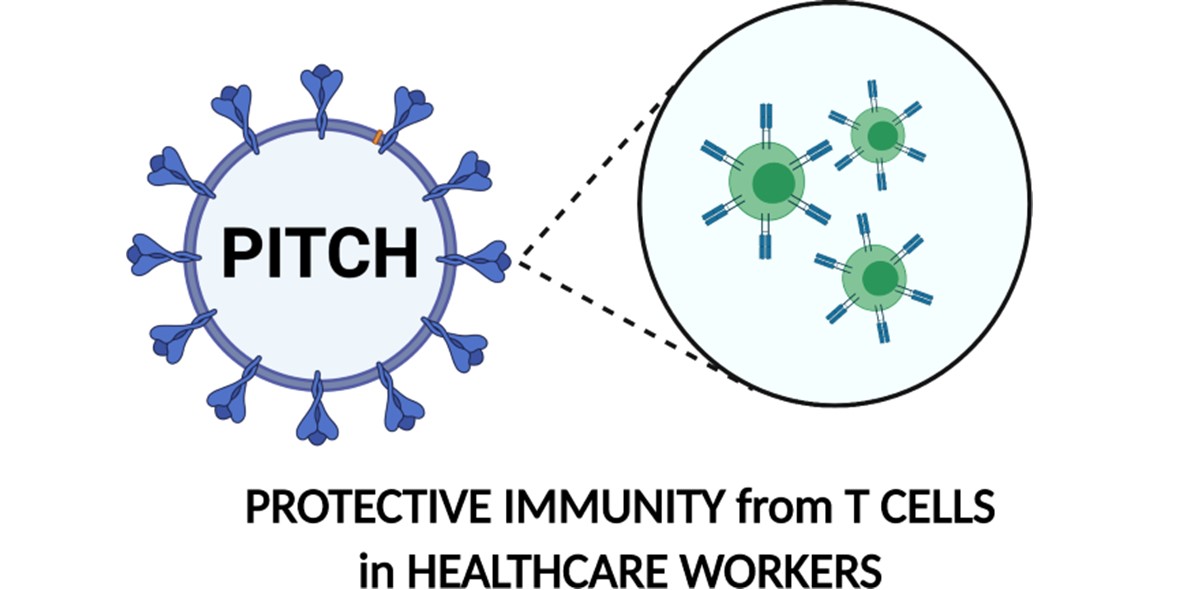
SIREN Consortium: Protective Immunity from T-Cells to COVID-19 in Health Workers (PITCH) Study To investigate the relationship between T-cell immunity and COVID-19 infection in a cohort of healthcare workers.
SIREN Consortium: Vaccine Immunity Breakthrough and Reinfection – ANtibodies and T-cells To investigate the underlying immunological mechanisms for infections and reinfections after vaccination. Participants include a sub-set of SIREN and PITCH participants that had an event of interest (e.g., a breakthrough infection after vaccination).
SIREN Consortium: Protective Immunity from T-Cells to COVID-19 in Health Workers (PITCH) Study To investigate the relationship between T-cell immunity and COVID-19 infection in a cohort of healthcare workers.
SIREN Consortium: Vaccine Immunity Breakthrough and Reinfection – ANtibodies and T-cells (VIBRANT) Study To investigate the underlying immunological mechanisms for infections and reinfections after vaccination. Participants include a sub-set of SIREN and PITCH participants that had an event of interest (e.g., a breakthrough infection after vaccination).
Correlates of Protection for SARS-CoV-2 and Influenza To evaluate the immune response against COVID-19 and influenza from participants with different patterns of antigenic exposure (e.g. vaccination or previous infection). To identify, whenever possible, protective thresholds against new COVID-19 and Influenza infections. High throughput antibody testing is performed at the Crick Institute, allowing for large volumes of samples to be tested.
World Influenza Centre (WIC)
Understanding respiratory viruses using metagenomics To investigate which respiratory were present in the nose and throat swabs from SIREN participants with respiratory symptoms, who did not have COVID-19, flu or RSV infections. Stored swabs from SIREN 2.0 were shared for sequencing and analysis.
Mathematical modelling investigating durability of protection to SARS-CoV-2 and optimising testing schedule To develop modelling tools that could estimate rates of infections and changes in antibody levels over time. This will support us determining the ideal frequency of PCR and serological testing in a cohort moving forward, to address key questions around infection and vaccine effectiveness.
SIREN qualitative sub-study To investigate participant attitudes to vaccination and testing, and study team experiences in delivering SIREN.
Identification of conserved predictors of COVID-19 breakthrough infection using Systems Serology To identify correlates of protection against SARS-CoV-2 infection after second vaccination dose across multiple vaccine types.
SEARCH Network This is a network of healthcare worker cohorts across the globe. The aim is to share learnings from delivering research on COVID-19 in healthcare workers and explore next steps for already estabilished cohort studies.
ARCHIVED
Collaborator Project/Study Name Project/Study Aim
Human Immune Correlates for COVID-19 (HICC) Study Pseudonymised samples of individuals who are of clinical interest to SIREN are provided to HICC for testing via pseudo virus-neutralisation assays.
G2P-UK (National Virology Consortium) A case series investigating specific cases of vaccine breakthrough with viral sequences of particular interest that were identified in the SIREN cohort. Pseudonymised samples from these indiviuals were shared with G2P for additional testing and detailed characterisation.
CO-CONNECT (Curated and open analysis and research platform) CO-CONNECT aimed to facilitate cohort and data discovery for research on COVID-19. Metadata from SIREN, describing the characteristics of the cohort, is included in the CO-CONNECT gateway.


Get in touch

If you have further questions and would like to get in touch with the study team at UKHSA, please email us at: phe.siren.participants@ukhsa.gov.uk.